
WordPress is the #1 CMS used to build websites for several reasons, including its ease of use and the vast array of themes that can be used to make every website built using WordPress unique. However, most users find the most helpful element of WordPress to be plugins. Plugins are an app or software that can be added to a WordPress website that provides additional features and functionality. They can add this functionality either in the back end to make building and managing the WordPress site easier, or they can add it to the front end to benefit visitors to that website. One slight problem, although some might say this is positive, is that there are so many plugins to choose from, and not all of them have the high levels of reliability that you want for your website. Thankfully, a core number of plugins have proved themselves, and today are some of the most installed plugins on WordPress, with many web designers considering them essential when designing a WordPress website. To ensure you are aware of them, we have outlined fifteen essential plugins below, briefly explaining what each of them does. Note they are not necessarily in order of importance. #1 – Rank Math SEO If you want to rank on Google and see organic traffic coming to your website, SEO is a must. However, if, like most website owners, you are not an SEO expert, it can be daunting. Thankfully, Yoast SEO can help, enabling you to optimise content and web pages with suggestions and actions to take. Get → RankMath #2 – Jetpack This multi-function plugin provides WordPress website owners with tools to create content, enhance the security of their website, and, importantly, improve its performance. It also offers ways to customise your website and enhance its functionality to help it load quickly. Get → Jetpack
Just as cars, architecture, and fashion all have to change with the times, so does web design, which is why, if you were to look at websites created in 2003 and compare those created in 2023, you would see many differences. Some of those differences result from improved technology, some result from what it takes to get ranked highly changing, and most of all, the differences are due to inevitable changes in web design trends over the years. To a great extent, the trends we are referring to will derive from how web designers now envisage how a website should appear. However, there will be other reasons. We have already mentioned technology and Google rankings, but in addition, mobile device use has had a big impact on web design, as does users’ expectations of what they expect to see and find when they land on a website today. Some trend changes are minuscule and often barely noticed as they occur within the website’s coding, and others are wholesale, where they change entirely how websites are designed. There will also be differences in the importance these trends have to website performance. To give you an insight into what web design trends are currently to the fore in 2023, here are 15 that many top web designers are now including in their website creations. Simplicity: A mantra in many activities, the acronym KISS (Keep It Simple, Stupid) applies more than ever to 2023 web designs. Today’s users have less patience than ever, so complex designs with unclear navigation, busy graphics, or too many pop-ups are a turnoff that risks users clicking away immediately. Full Page Headers: This is a modern web design element that continues to be used by many top web designers. They provide a sophisticated appearance and offer the opportunity to include important text messaging, calls to action, and stunning images. As this is often the first thing that those landing on a website will see, they can have a hugely positive impact.
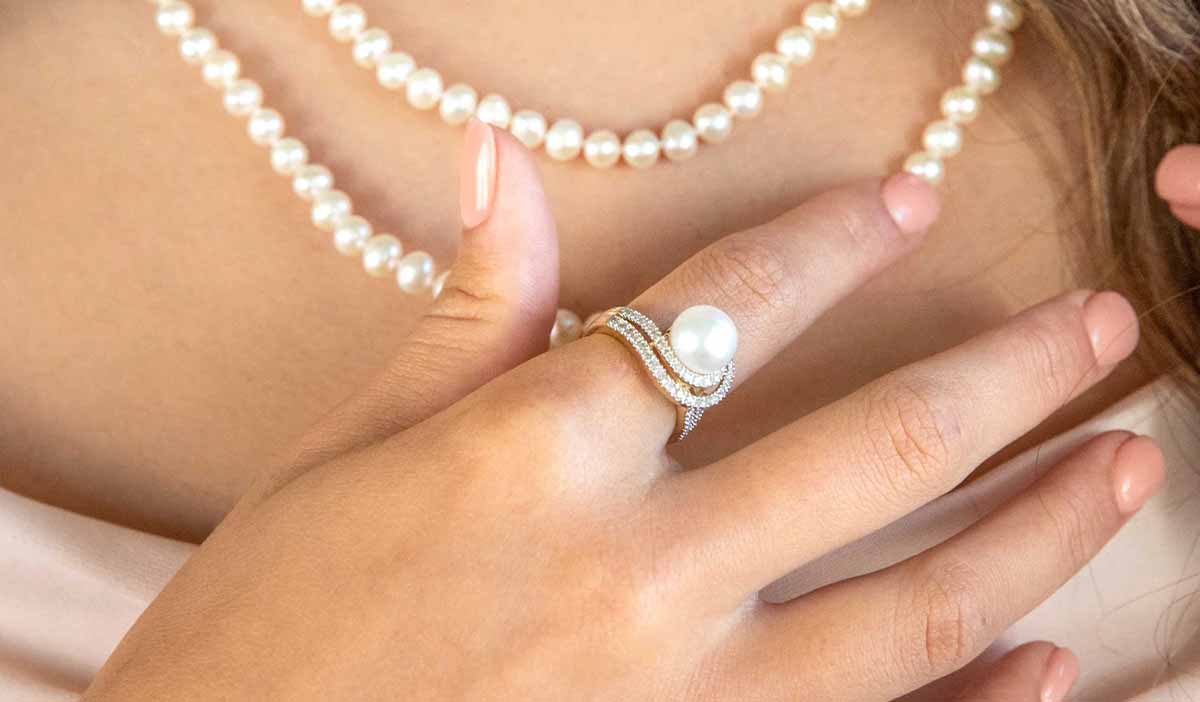
No matter what their store size, the number of stores they have, or their location, there is one thing that is common amongst all jewellers, and that is the desire for more customers. Without a steady stream of new customers a jewellers business, or indeed, any business, is on the retreat and ultimately may find itself in a position where it is no longer a sustainable business. The good news is that there is no shortage of methods for a jewellery store to attract new customers, either through its doors or through its website. To help you seize those opportunities, here are seven tactics to attract more customers to your jewellery business.

In the not-so-distant past, many believed web design was all about simply how a website appeared on-screen and nothing more. However, with Google’s pursuit of optimal user experiences for those who use its search engine, it quickly becomes clear that appearance alone will do little to help a website’s rankings and subsequent performance. The term ‘user experience’ (UX) is now very much at the forefront of every web designer’s mind when they are designing websites. Whilst many might say that is purely to keep Google happy, the reality is that good web design that creates websites that visitors will like and enjoy will in turn, show Google that a website deserves a higher ranking anyway. Besides, suppose a website design is catering for its users. In that case, it should follow that those users will stay on the website longer, follow the calls to action that exist there, and are far more likely to return to that website and recommend it to others. Getting a website to a point where users are provided with an enhanced experience relies greatly on the website’s design. Several web design techniques can help website designers achieve this objective, and here are ten of them that most of today’s web designers will consider using. Nostalgia/Old Fonts People of all ages, even those considered young, love nostalgia, and this fact is being used increasingly by today’s web designers. One example of this is some websites being given aesthetics that remind users of ‘Y2K’ and in truth, this is occurring in many industries, not just web design where there is a resurgence of styles mirroring the early noughties. On the same theme, some websites now have fonts that have not been seen for ten or more years. The reason is not that web designers have no modern fonts to use, but rather that users have a desire to see fonts they remember fondly.

The homepage is arguably the most important of all the pages within a website that web designers create. Given that most visitors to a business website land on the homepage first, this page has the job of instantly connecting and engaging with visitors. If it does so, it will keep those visitors on the site, hopefully with them then taking the desired action. If not, they will click away almost immediately and likely never return. With this in mind, website owners must ensure that when their business website is being designed, they know what elements should be included on the homepage to maximise visitor engagement. To help them, we have selected some of the most effective ways of doing so in the seven tips outlined below.