
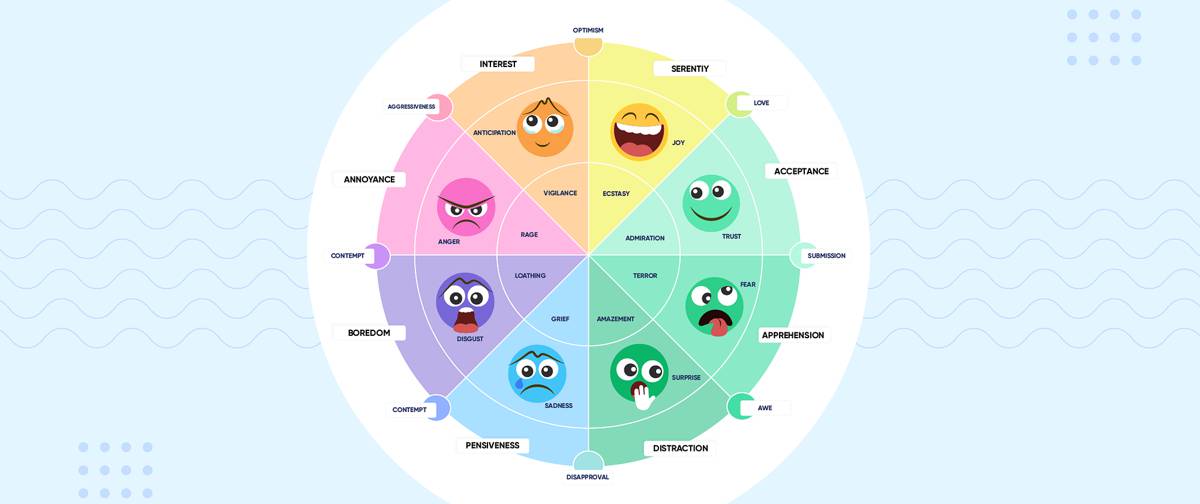
Good User Experience (UX) design has traditionally been based upon simplicity, ease of navigation and logical design flow. Those used to be sufficient; however, 2026 is no longer working with those principles. Brands are being chosen not merely because of their aesthetic appeal, but because of the feelings people get when interacting with the brand.

Web design used to be a simple process. Pick a colour scheme, choose a font, add some flair, and voilà! Now, having a visually appealing website is irrelevant if the user finds it difficult to navigate. In fact, it can even push the user away from your brand. This is where accessibility comes into play, and it is changing the way digital marketing teams create and manage websites. Accessibility is no longer an option; it is an essential part of how consumers see your brand and ultimately decide to engage or disengage.

Websites should be made for both human visitors and AI systems. However, these two visitors have different ways of browsing a website. Human visitors scroll through the screen, are distracted by video clips and ads, and may or may not have the patience to wait for a large image to load before reading the content below it. In contrast, AI systems don’t “scroll” through a website in the same way. They are not looking for eye-catching videos or engaging images.

You’ve built a beautiful website. Traffic is coming in. People are reading your content, scrolling through your pages, and maybe even nodding along with what you’re saying. But then they leave. Just like that. Gone. Does this sound familiar? Here’s the thing – having a beautiful website means absolutely nothing if visitors don’t take action. That is where most businesses totally miss the point. They spend thousands on web design (often working with professional teams like ours at Slinky Web Design) but then treat their call-to-actions like an afterthought. It’s comparable to buying a Ferrari and forgetting to put petrol in it. Let’s fix that.
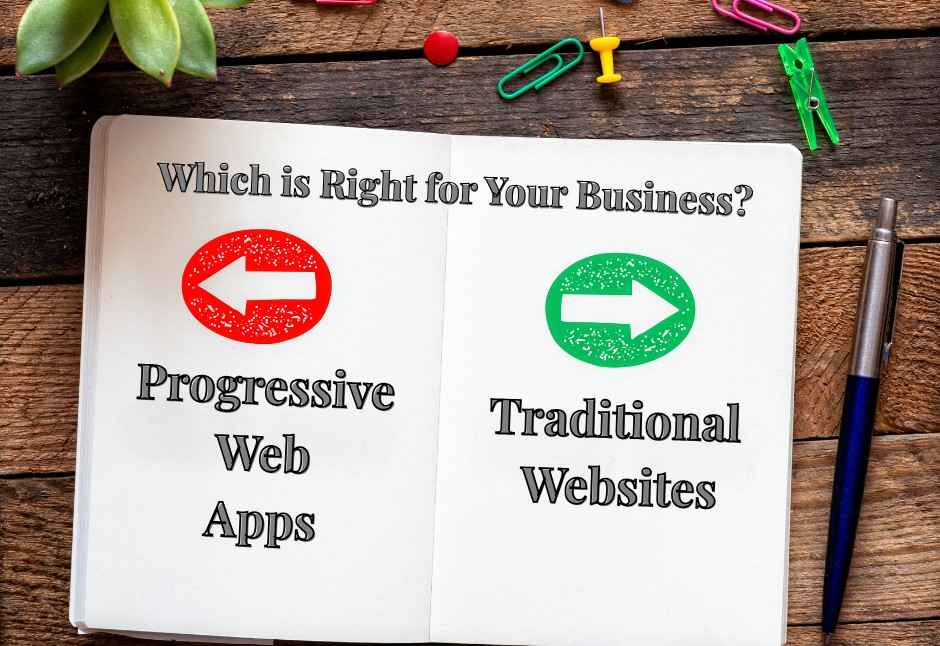
Alright, if you’ve been following the digital world lately, you may have heard the term “progressive web apps” mentioned a few times. Perhaps the term came up at a networking event you attended. Perhaps it was mentioned in a LinkedIn post that you quickly glanced at. Like many small business owners, you were undoubtedly thinking, “Wonderful.” One more tech jargon term. The problem is that progressive web apps are more than just a fad. In actuality, they are changing how companies view their internet presence. And you should be mindful of that. What is this trend all about, then? Do you continue to use the traditional website or is it time to make the switch to a PWA? Well, let’s just keep things simple and omit all the fancy words.